How Can Amino Acids Be Used in Cells?
INTRODUCTION
Click The Image
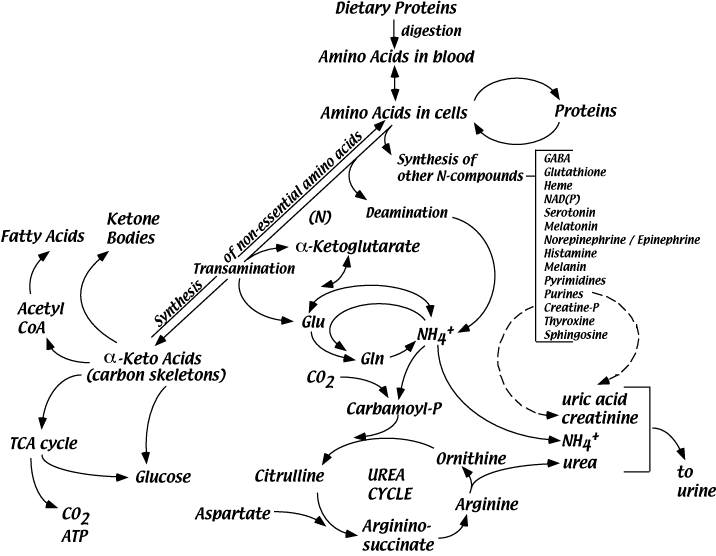
A Partial Roadmap For Amino Acid Metabolism
Blood Provides A Pool Of Amino Acids For Use By Cells
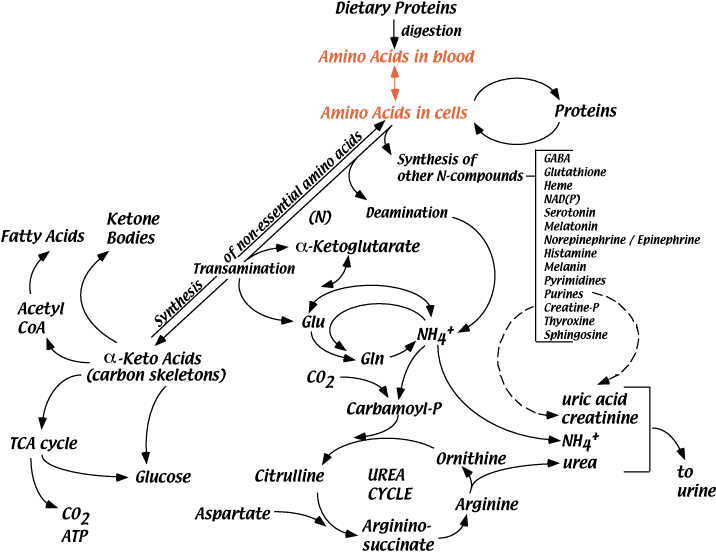
At that place are no storage molecules for amino acids as at that place are for carbohydrates, i.e., glucose in glycogen, or for fatty acids, equally in triacylglycerols (fats). The body maintains a relatively large gratis amino acid puddle in the claret (approximately 35-65 mg/deciLiter), even during fasting; cells and tissues accept continuous access to individual amino acids for the synthesis of proteins and essential amino acid derivatives. The blood concentrations of 2 amino acids, alanine and glutamine, which serve special purposes, are higher than those of the other amino acids.
Processes That Employ Amino Acids
Poly peptide Synthesis
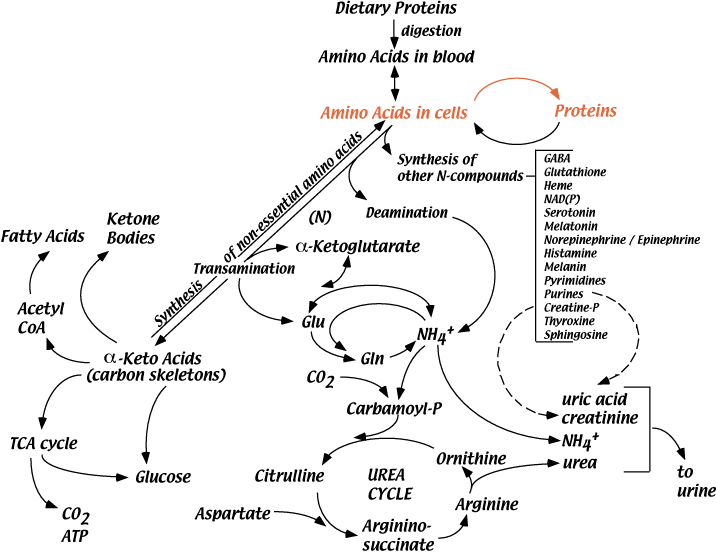
Proteins in the body are constantly synthesized and degraded, partially draining and refilling the cellular amino acid pools. In a well fed, salubrious homo adult, approximately 300 - 600 grams of new protein are synthesized each day. Growth factors, hormones, including insulin, and cytokines stimulate protein synthesis.
Processes That Use Amino Acids
Synthesis Of Other Nitrogen-Containing Molecules
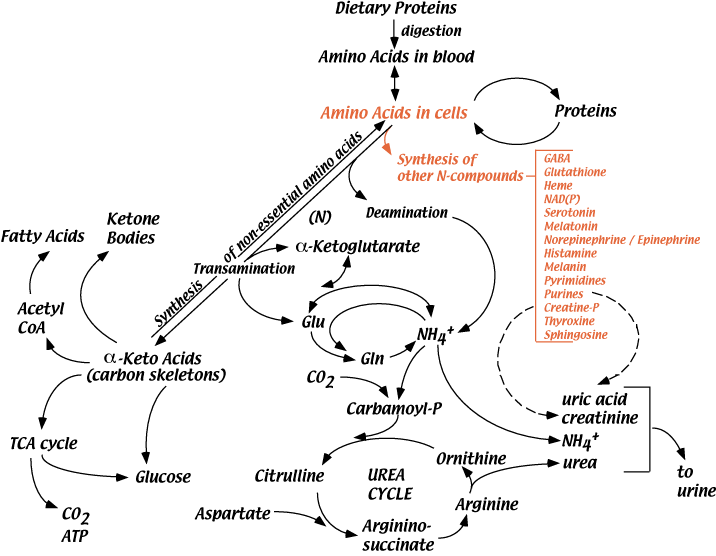
All the useful nitrogen in the trunk is supplied by amino acids. All nitrogen-containing compounds synthesized in the body derive their nitrogen from amino acids — cellular proteins, hormones (e.one thousand., thyroxine, epinephrine, insulin), neurotransmitters, creatine phosphate, heme in hemoglobin and cytochromes, melanin, purine and pyrimidine bases. This is only a fractional list of all the nitrogen-containing compounds that derive their nitrogen from amino acids.
Synthesis Of Other Nitrogen-Containing Molecules
An Example — Creatinine
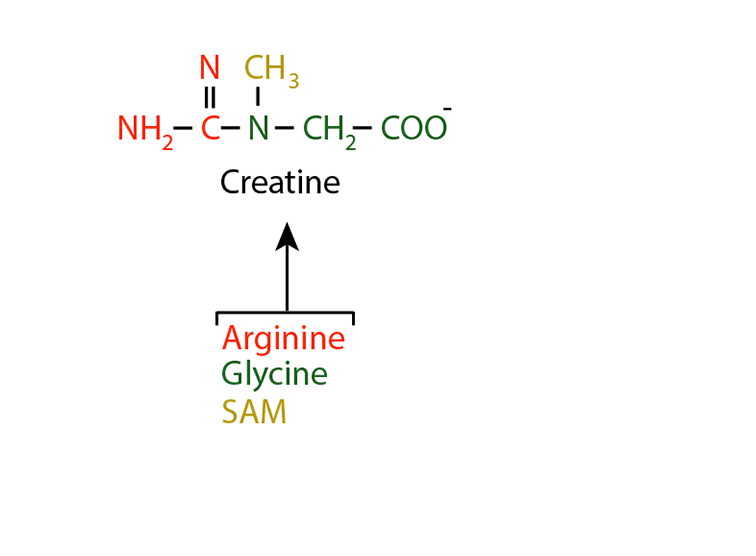
Creatinine is a nitrogen-containing molecule synthesized predominantly in muscles. Creatine is synthesized kickoff from argining, glycine and Southward-adenosyl methionine (SAM).
Synthesis Of Other Nitrogen-Containing Molecules
An Example — Creatinine
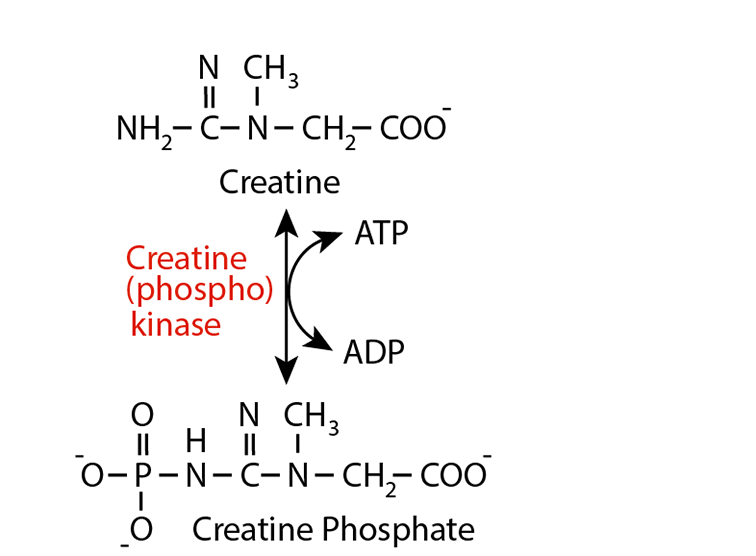
Creatine (phospho) kinase converts creatine to creatine phosphate, which accumulates in muscle cells equally an energy buffer when ATP is aboundant. Its phosphate group is readily donated to ADP, thereby boosting the ATP content of the muscle celln as they hydrolyse ATP for energy to derive muscle contraction.
Synthesis Of Other Nitrogen-Containing Molecules
An Case — Creatinine
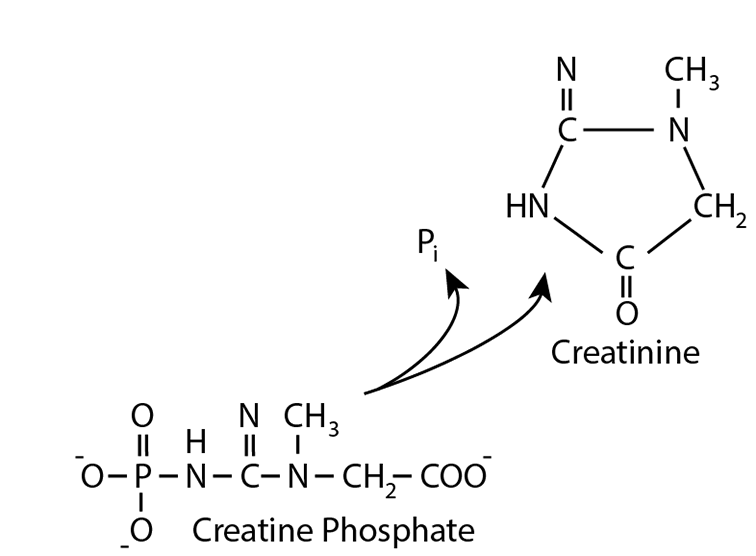
Creatine phosphate is spontaneously (non-enzymatically) dephosphorylated, resulting in the cyclization of the dephosphorylated molecule to yield creatinine, which ...
Synthesis Of Other Nitrogen-Containing Molecules
An Example — Creatinine
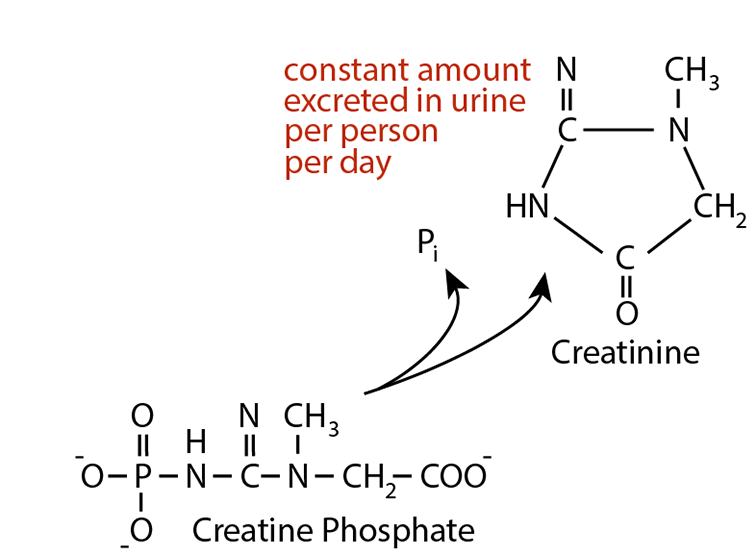
is readily excreted in the urine. The amount of creatinine produced is proportional to the muscle mass and is released from muscle at a constant rate. The amount excreted in the urine per twenty-four hour period per person is constant and independent of the volume of urine excreted. Elevataed creatinine in the claret relates to impaired kidney function, i.e., impared Glomerular Flow Rate (GFR). Creatinine clearance rate (C
Processes That Use Amino Acids
Degradation Of Amino Acids
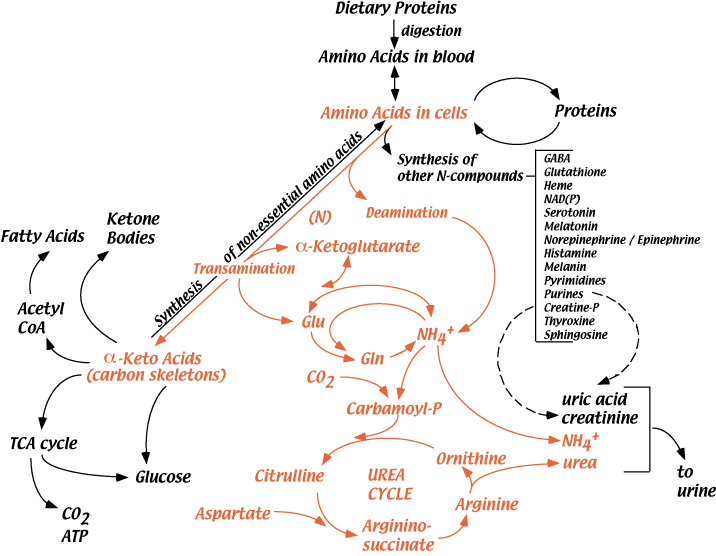
Amino acids are continuously degraded. Their nitrogen is removed either by deamination or by transamination reactions that donate information technology to various α-keto acids (see "Nitrogen" in the meridian carte). Ultimately, the nitrogen is excreted, mainly as urea, merely also as NH4 + or other nitrogen-containing compounds. Commonly, urea accounts for about 90% of all excreted nitrogen. Amino acrid carbon skeletins are reused for the synthesis of other molecules, are a major source of carbon skeletons for the synthesis of glucose (gluconeogenesis) or are oxidized for the production of energy.
Processes That Contribute Amino Acids
Dietary Protein
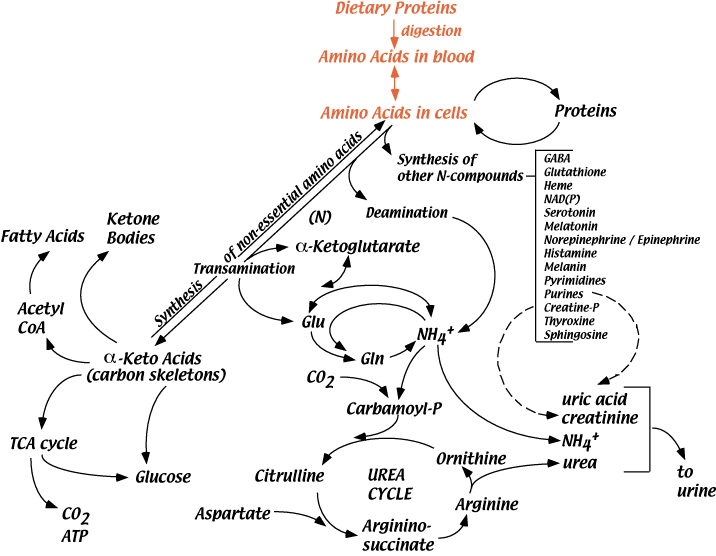
Boilerplate adult humans require approximately 60 - 100 grams of dietary protein per day. Amino acids are produced by digestion of dietary proteins in the intestines, absorbed through the abdominal epithelial cells, and enter the blood. Various cells take up these amino acids, which enter the cellular amino acid pools. Amino acids are used for the synthesis of proteins and other nitrogen-containing compounds, or their carbon skeletons are oxidized for energy or the synthesis of glucose.
Processes That Contribute Amino Acids
Dietary Poly peptide — Failure To Injest Acceptable Protein: Kwashiorkor
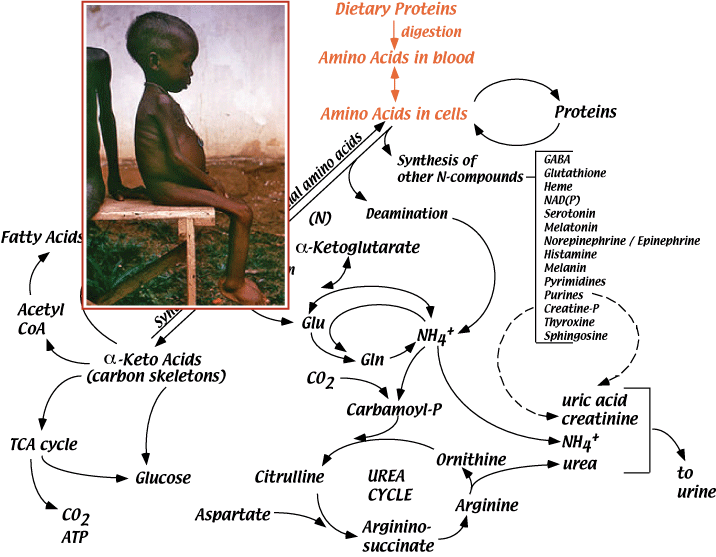
Failure to injest sufficient protein results in kwashiokor. Kwashiorkor is a land of malnutrition that results from a deficiency of dietary protein in the presence of a normal or high saccharide intake. Kwashiorkor is nearly common betwixt the ages of 1 and four years, merely can occur in infancy. At that place are many causes of kwashiorkor, merely weaning is the major gene, when breast milk is replaced past an inadequate and ofttimes unbalanced diet. Infants are well-nigh frequently afflicted in times of famine, when their mother is also starved for protein. Kwashiorkor symptoms may develop slowly over fourth dimension. Common symptoms include: abdominal swelling, distension or bloating, diarrhea, enlarged, fatty liver, fatigue, frequent infections, generalized swelling, hair and nail changes, including brittle, red hair and ridged nails that are thin and soft, Irritability, musculus wasting, skin changes, including pigment loss, blood-red or regal patches, peeling, cracking, skin sloughing, and the development of sores, slowed growth leading to short stature, weight loss. Treatment is poly peptide supplementation often in the form of dried skim milk.
Processes That Contribute Amino Acids
Protein Degradation
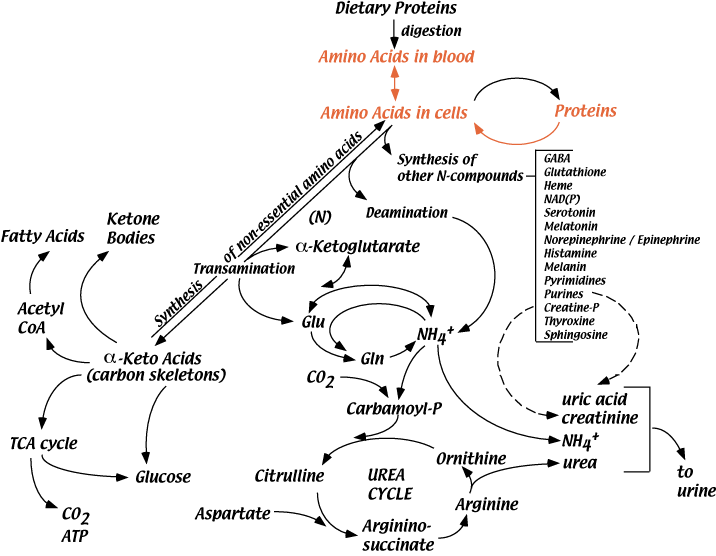
In a well fed, good for you human adult, approximately 300 - 600 grams of poly peptide are degraded to amino acids each 24-hour interval. Normally, this degradation is balanced by the synthesis of 300 - 600 grams of protein per twenty-four hours. Poly peptide turnover allows changes in the quantities of different proteins produced as physiology requires, and removes modified or damaged proteins. Decreased insulin shifts the rest betwixt poly peptide synthesis and protein degradation toward degradation, resulting in a internet loss of protein. During some "chronic stresses" cellular proteins are degraded to provide amino acids for functions that help alleviate the stress (see "Hypothelamic-Pituitary-Adrenal Axis" below).
Processes That Contribute Amino Acids
Synthesis Of Non-Essential Amino Acids
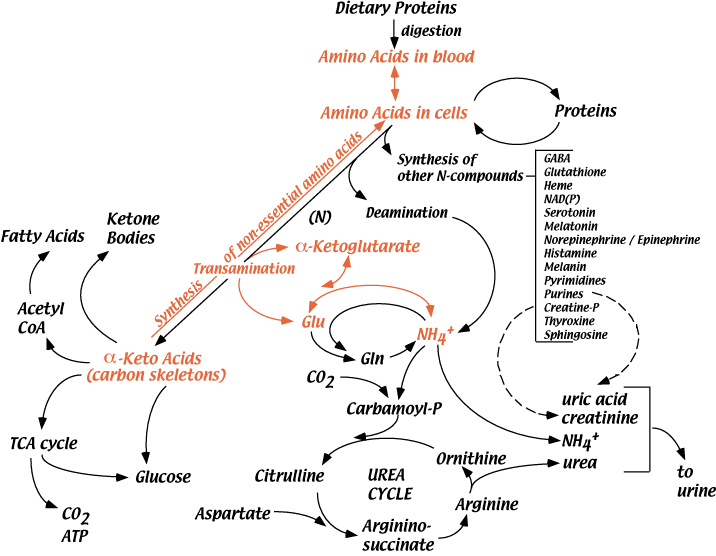
Humans can synthesize 10 of the 20 common amino acids — the Non-essential Amino Acids. The remaining 10 common amino acids — the Essential AMino Acids — must be taken in the diet.
Processes That Contribute Amino Acids
Synthesis Of Non-Essential Amino Acids — The Essential Amino Acids
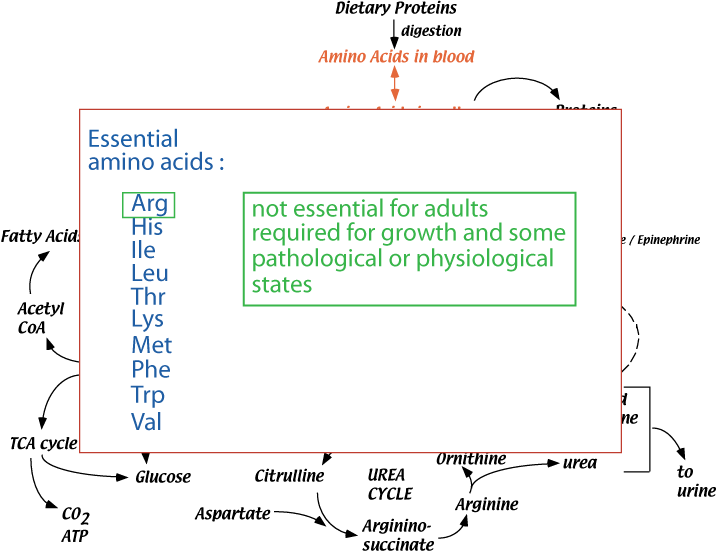
Two amino acids that are ordinarily non-essential in healthy adults — arginine and histidine — are not synthesized in sufficient quantities to allow normal growth of children and adolescents and are, therefore, essential for these individuals, and too in some pathological or physiological states when increased protein synthesis is required. All the other common amino acids are non-essential. Lack of a unmarried essential amino acid halts poly peptide synthesis and causes the other backlog, unused amino acids to be degraded.
Nitrogen Balance
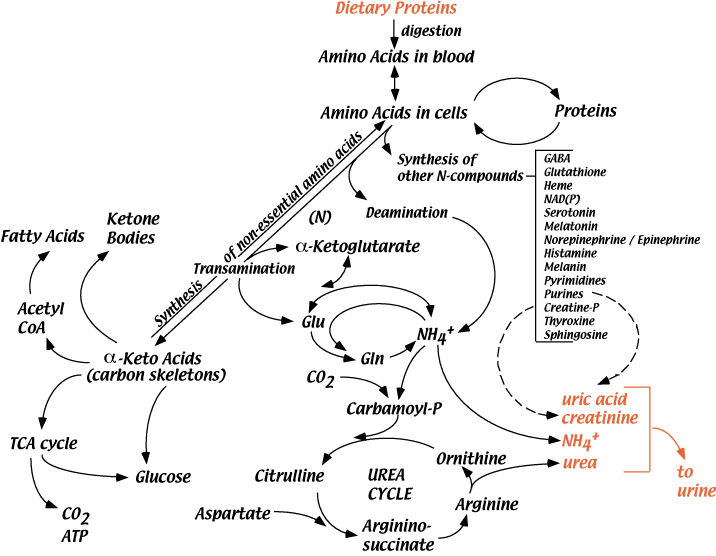
Nitrogen residuum is the divergence between the corporeality of nitrogen taken into the body (mainly as dietary protein) and the amount lost in urine, sweat, carrion.
Nitrogen Residue
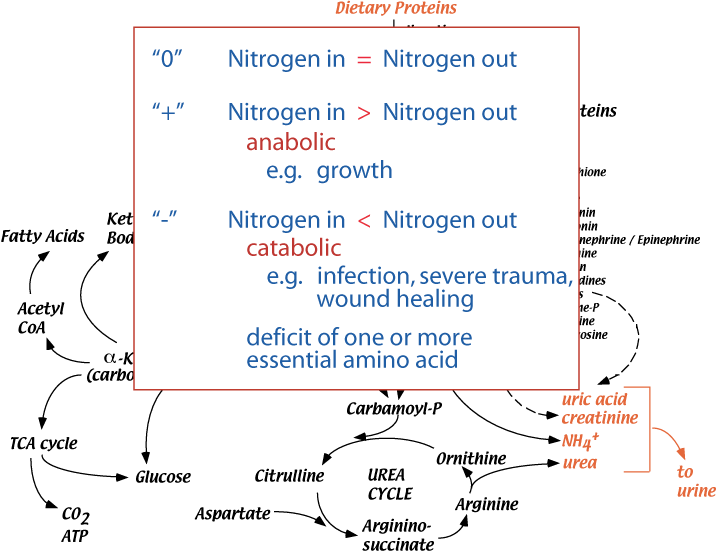
Good for you adult humans are in nitrogen balance — Zip nitrogen residuum: nitrogen intake = nitrogen excreted (mainly as urea in the urine). Positive nitrogen balance: nitrogen intake is greater than nitrogen excreted. Positive nitrogen balance results primarily when new tissue is produced (eastward.g., during body growth in babyhood and adolescence, during pregnancy, and during major wound healing, equally after major surgery). Negative nitrogen residual: nitrogen intake is less than nitrogen excreted. Negative nitrogen residuum occurs when digestion of torso protein exceeds synthesis, and results from several circumstances, e.g., too little dietary protein. likewise little of 1 or more than of the essential amino acids in the diet, sure hypercatolytic states.
Nitrogen Remainder
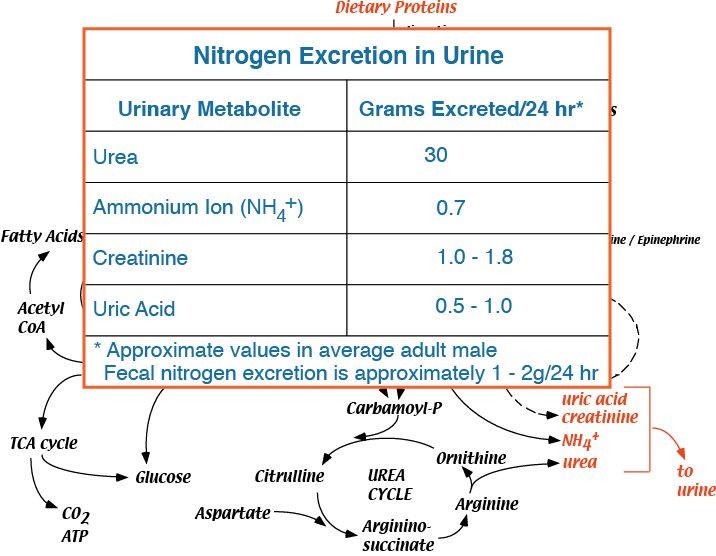
Major urinary nitrogen excretory products
- Boilerplate developed humans require approximately threescore -100 grams of dietary protein per day.
- Amino acids are produced by digestion of dietary proteins in the intestines, absorbed through the intestinal epithelial cells, and enter the blood.
- Various cells take upwardly these amino acids, which enter the cellular amino acid pools.
- Amino acids are used for the synthesis of proteins and other nitrogen-containing compounds, or their carbon skeletons are oxidized for energy or used for the synthesis of glucose during hypoglycemia.
- The torso maintains a relatively big free amino acid puddle in the blood (approximately 35-65 mg/deciLiter), even during fasting; tissues accept continuous access to individual amino acids for the synthesis of proteins and essential amino acrid derivatives, such as neurotransmitters. The amino acid pool also provides the liver with substrates for gluconeogenesis and ketogenesis. The free amino acid puddle is derived from dietary amino acids and the proteolysis of body proteins.
- All useful nitrogen in the body is derived from amino acids.
- All nitrogen-containing compounds of the body are synthesized from amino acids - cellular proteins, hormones (eastward.m., thyroxine, epinephrine, insulin), neurotransmitters, creatine phosphate, heme in hemoglobin and cytochromes, melanin, purine and pyrimidine bases.
- Proteins in the body are constantly synthesized and degraded, partially draining and refilling the cellular amino acid pools.
- In a well fed human adult, approximately 300 - 600 grams of protein are degraded, and approximately 300 - 600 grams of new protein are synthesized each solar day.
- Protein turnover allows shifts in the quantities of dissimilar proteins produced equally physiology requires, and removes modified or damaged proteins.
- In muscle, during fasting, or other stresses, the synthesis/degradation equilibrium is shifted toward degradation, resulting in loss of muscle mass. The resulting amino acids tin can be released into the claret for conversion to glucose by the liver to supply metabolic energy for disquisitional tissues (e.g., red blood cells and brain) or to supply amino acids to tissues that answer to a particular stress.
- Insulin promotes protein synthesis by muscle, and decreased claret insulin levels, during fasting for instance, effect in net proteolysis and release of amino acids from muscle into the blood.
- Cortisol, the major chronic stress hormone, is a glucocorticoid released in response to various stresses that induces the degradation of proteins — come across the "Hypothelamic-Pituitary-Adrenal Axis". The resulting amino acids can be used for several different purposes to counteract the furnishings of detail chronic stresses, e.g., for the synthesis of proteins in the proliferation of cells of the the immune system to respond to infection or for new cells to repair damaged tissues. Alternatively, the amino acids tin can be degraded to provide carbon skeletons equally an energy source or for the synthesis of glucose. In acidosis, the amino and amide groups of glutamine are used by the kidney to buffer backlog protons for excretion in the urine (encounter "AA Flux" in the top menu).
Click The Image
Hypothelamic-Pituitary-Adrenal Centrality
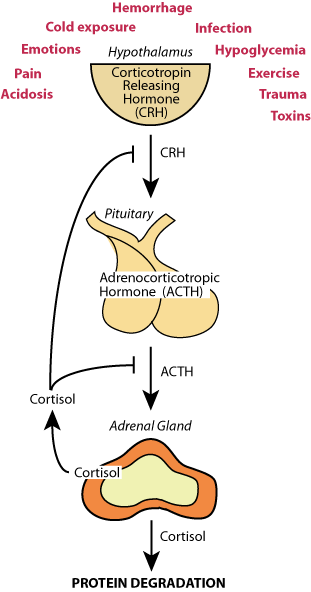
Chronic stresses, acidosis, hurting, hypoglycemia, etc., induce the hypothalamus to release corticotropin releasing hormone (CRH), which acts on the pituitary to cause the release of adrenocorticotropic hormone (ACTH), which acts on the adrenal gland to cause the secretion of cortisol, the major chronic stress hormone. In a feed-back loop, cortisol inhibits the release of CRH and ACTH.
Hypothelamic-Pituitary-Adrenal Axis
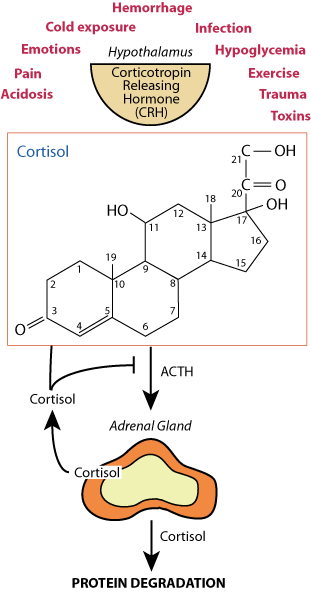
Chorisol is a steriod hormone, whose action is to induce the transcription of genes that are the targets of the glucacorticoid nuclear hormone receptor, some of which encode or actuate proteases.
Hypothelamic-Pituitary-Adrenal Axis
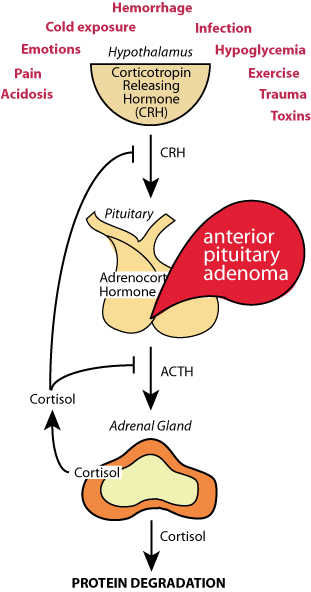
ACTH-secreting adenomas of the anterior pituitary gland tin crusade excessive amounts of cortisol to be secreted by the adrenal cortex. The cortisol inhibition of ACTH secretion fails, leading to excessive tissue protein degradation, resulting in musculus wasting — Cushing's disease.
Hypothelamic-Pituitary-Adrenal Axis
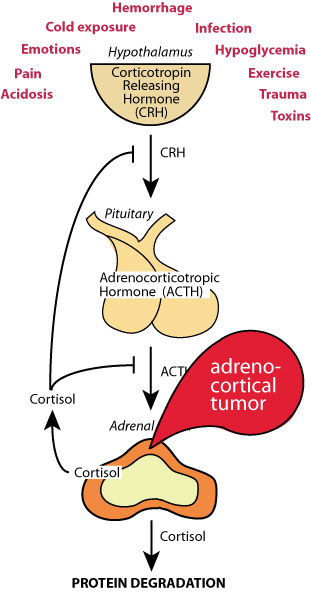
Tumors of the cortisol-secreting cells of the adrenal cortex secrete excessive cortisol, resulting in excessive tissue protein degradation and musculus wasting — Cushing's syndrome
- In a well fed human adult, approximately 300 - 600 grams of protein are degraded, and approximately 300 - 600 grams of new protein are synthesized each solar day.
- As a source of energy, amino acid carbon skeletons are directly oxidized, or, in the starved country, converted to glucose and ketone bodies, and then oxidized.
- Nitrogen must be removed before the carbon skeletons of amino acids are oxidized.
- The liver is the major site of amino acid oxidation, just almost tissues tin can oxidize the branched chain amino acids (i.e., leucine, isoleucine, valine).
- About of the carbons from amino acid deposition are converted to pyruvate, intermediates of the TCA cycle or acetyl CoA. During fasting these carbons are converted to glucose in the liver and kidney, or to ketone bodies in the liver. In the well fed state, they may be used for lipogenesis.
- Amino acid nitrogen forms ammonia, which is toxic.
- The liver is the major site of amino acrid metabolism in the body and the major site of urea synthesis. The liver is also the major site of amino acid degradation, and partially oxidizes most amino acids, converting the carbon skeleton to glucose, ketone bodies, or COii. In liver, the urea bike converts ammonia and the amino groups from amino acids to urea (see "Nitrogen > Urea Cycle" in the height carte du jour), which is non-toxic, h2o-soluble, and easily excreted in the urine.
- Nitrogen derived from amino acid catabolism in other tissues is transported to the liver, in large part, as alanine or glutamine, the major transporters of ammonia in the claret.
- Certain physiological states trigger protein breakup to generate amino acids as a source of energy. Skeletal muscle, the largest tissue correspondent to the body's amino acrid puddle derived from protein breakdown, uses branched chain amino acids particularly well as an free energy source. Nitrogen derived from these, and other amino acids, is converted in skeletal muscle mainly to alanine and glutamine, which account for approximately 50% of total α-amino nitrogen released past skeletal muscle.
- Alanine, a transamination production (see "Nitrogen > Nitrogen Reactions" in the peak menu) of its cognate α-keto acid, pyruvate, tin donate its amino group via transamination in the liver, and its carbon skeleton can be oxidized for energy derivation, or converted to glucose via the gluconeogenesis pathway for export to the blood and use by other tissues (the and so-called "alanine / glucose" cycle &mdash meet "AA Flux" in the top card).
- Glucagon enhances alanine transport into the liver. This makes physiological sense because glucagon signals that the blood glucose level is low, a condition to which skeletal muscle responds by increasing protein breakdown to yield amino acid carbon skeletons as an energy source. Excess nitrogen derived from the increased amino acrid pool must be disposed of, first by transport to the liver, in large role as alanine, and and then converted, in the liver, to urea for excretion. Increased transport of alanine into the liver, promoted by glucagon, helps the body dispose of the excess nitrogen, and supplies the liver with carbon skeletons for glucose synthesis — the alanine / glucose bicycle (come across "AA Flux" in the peak carte).
- Glutamine released from skeletal muscle and other tissues serves several functions:
- In kidney the nitrogen carried past glutamine is released and excreted into the urine, allowing removal, as NH4+, of protons formed during fuel oxidation, thereby helping maintain the trunk'due south pH, especially during metabolic acidosis, when other methods of buffering excess protons may become exceeded.
- Glutamine provides a fuel source for the kidney.
- In quickly dividing cells (eastward.g., lymphocytes and macrophages), glutamine is used as a fuel, every bit a nitrogen donor for biosynthetic reactions, and as substrate for protein synthesis. During sepsis, for example, increased numbers of lymphocytes and macrophages are required to subdue infection. Muscle protein breakdown increases to help provide energy and amino acids for the synthesis of proteins and othere nitrogen-containing compounds needed to produce these cells.
- The Non-essential amino acids
- Twelve amino acids present in proteins are synthesized in the body - eleven (serine, glycine, cysteine, alanine, aspartate, asparagine, glutamate, glutamine, proline, arginine, histidine) are produced from glucose carbon skeletons, one (tyrosine) is produced from phenylalanine.
- The Essential amino acids
- Ten amino acids present in proteins (arginine, histidine, isoleucine, leucine, threonine, lysine, methionine, phenylalanine, tryptophan, valine) are required in the nutrition of a growing human.
- Arginine, although non required in the diets of adults, is required for growth (children and adolescents), because the amounts that can be synthesized are not sufficient to maintain normal growth rates.
- Larger amounts of phenylalanine are required if the diet is low in tyrosine because tyrosine is synthesized from phenylalanine. Larger amounts of methionine are required if the diet is low in cysteine because the sulfur of methionine is donated for the synthesis of cysteine.
- Nitrogen balance is the difference between the amount of nitrogen taken into the torso (mainly equally dietary protein) and the amount lost mainly in urine and to a lesser extent in feces and sweat.
- Proteins of the torso are constantly beingness degraded to amino acids and resynthesized — some proteins accept long half-lives, while others have short one-half-lives. Gratis amino acids can have two fates: either they are used for synthesis of proteins and other essential nitrogen-containing compounds, or their carbon skeletons are oxidized as fuel to yield energy and during hypoglycemia converted to glucose. When amino acrid carbon skeletons are oxidized for energy or converted to glucose their nitrogen atoms are excreted in the urine, principally in the form of urea (see "Nitrogen > Urea Bike" in the top carte).
- Good for you adult humans are in nitrogen balance (sometimes referred to as Zero nitrogen balance): nitrogen intake = nitrogen excreted (mainly as urea in the urine)
- Positive nitrogen residue — nitrogen intake > nitrogen excreted: Positive nitrogen balance results primarily when new tissue is produced (e.g., during body growth in childhood and boyhood, during pregnancy, and during major wound healing, every bit after major surgery).
- Negative nitrogen balance — nitrogen intake < nitrogen excreted: Negative nitrogen balance occurs when excess amino acids are metabolized producing increased ammonia and ammonium ion, and can issue from several circumstances:
- bereft dietary protein
- arrears of ane or more of the essential amino acids in the diet
Considering all 20 amino acids are required for protein synthesis to go along, a deficit of whatever one amino acid reduces or prevents protein synthesis, and the use of the other amino acids for protein synthesis is reduced or abolished. Excess amino acids, both from protein degradation in the absence protein synthesis — a disruption of the balnace between poly peptide synthesis and protein degradation — and dietary input are degraded, resulting in an increase in ammonia and ammonium ion, which are converted to urea for disposal. - Trauma, burns, and septic stress are examples of hypercatabolic states characterized past increased fuel utilization and negative nitrogen rest. In these hypercatabolic states, skeletal muscle protein synthesis decreases and protein degradation increases in an attempt to supply the body with carbon skeletons for energy derivation, or amino acids to repair body impairment. The negative nitrogen balance that occurs in these hypercatabolic states results from the accelerated cyberspace protein degradation, producing amino acids that must be deaminated earlier their carbon skeletons can be used every bit an energy source. The resulting, excess ammonia and ammonium ion are tending of as urea.
- If negative nitrogen rest persists for besides long, torso function is impaired because of the net loss of critical proteins
- The dominant terminate product of nitrogen metabolism in humans is urea.
- Amino acids in excess of the quantities needed for the synthesis of protein and other nitrogen containing metabolites are neither stored nor excreted. Rather, virtually all amino acid nitrogen is excreted in the class of urea and NH4+. On an boilerplate diet, an developed human being excretes approximately 25 to 30 grams of urea per solar day, which represents approximately 90% of the total nitrogenous substances in the urine.
Source: https://education.med.nyu.edu/mbm/aminoAcids/introduction.shtml

Enregistrer un commentaire for "How Can Amino Acids Be Used in Cells?"